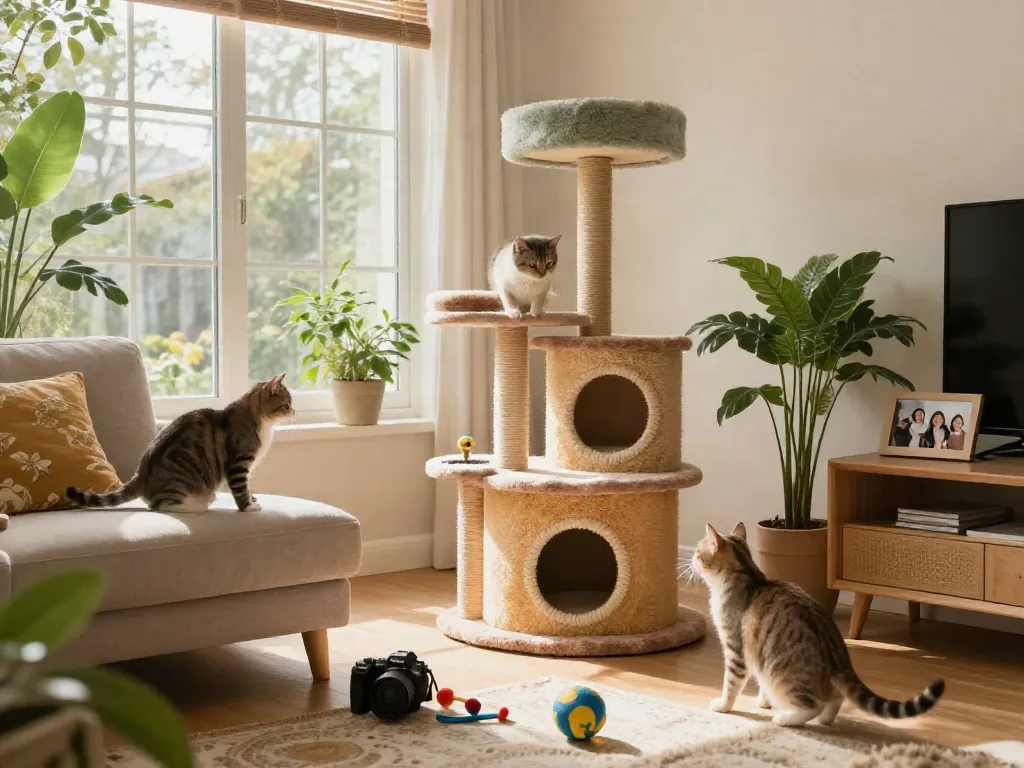
Understanding the Importance of Cat Towers and Cat Trees
For cat owners, providing an enriching environment for their feline companions is paramount. One of the most effective ways to do this is by investing in a cat tree, often referred to interchangeably as a cat tower. These structures serve various purposes, from offering a place to play and exercise to providing a safe haven for rest and sleep. As you consider options, cat tower cat tree solutions can greatly enhance your pet's quality of life.
What Are Cat Towers and Cat Trees?
Cat towers and cat trees are multi-level play structures designed to cater to a cat's innate behaviours. They often feature platforms, scratching posts, and enclosed spaces. These structures are built to mimic a cat's natural habitat, encouraging climbing, scratching, and lounging. The designs can vary significantly, from simple single-level trees to elaborate multi-tier towers with multiple compartments and toys, ensuring that your cat has a stimulating environment.
Benefits for Feline Health and Well-being
Integrating a cat tower into your home can significantly benefit your cat's physical and mental health. These structures promote exercise by encouraging climbing and jumping, which helps maintain a healthy weight and muscle tone. Furthermore, the ability to scratch and sharpen claws on designated areas reduces the likelihood of furniture damage and satisfies their natural instincts.
- Physical Exercise: Regular climbing and jumping keep your cat active.
- Mental Stimulation: Engaging with their environment reduces boredom and anxiety.
- Safe Space: Cat trees provide a secure area for resting and hiding when feeling threatened.
Understanding Your Cat's Natural Behaviours
Cats are instinctively curious and territorial. A cat tree allows them to explore their surroundings from a higher vantage point, which is crucial for their psychological well-being. Furthermore, the act of scratching is essential for their nail health and territory marking, making a suitable cat tree indispensable in any cat-friendly household.
Choosing the Right Cat Tower Cat Tree
Selecting the perfect cat tower or tree for your furry friend requires careful consideration of various factors. Not all structures are created equal, and understanding your cat's unique preferences and needs will guide your decision-making process effectively.
Factors to Consider When Selecting a Cat Tree
When browsing cat trees, consider your cat's age, size, and activity level. Kittens may aid in their climbing skills, while older cats may require a more stable tree with gentle ramps. Also, keep in mind the number of cats you have; multi-cat households will benefit from larger, sturdier trees with multiple levels and options for play.
Materials and Construction Quality
The materials used in a cat tower are vital for durability and safety. Many structures are made from wood, engineered wood, or particleboard, with coverings typically featuring carpet or sisal. Ensure the tree can withstand your cat's weight and energy levels, as well as the wear and tear that comes with regular use.
Size and Space Considerations for Your Home
Measure your space before purchasing a cat tree. A large, elaborate tower will not be practical for a small flat. Opt for a design that fits comfortably in your living area while providing the necessary height and space for your cat to explore. Wall-mounted options are also available for those short on floor space.
Maintenance and Care for Cat Towers
Once you've made your selection, maintaining your cat tree is crucial for its longevity and hygiene. Regular cleaning and repairs will ensure it remains a safe and inviting space for your cat.
Cleaning and Hygiene Tips for Long-lasting Use
Frequent vacuuming and spot cleaning can help keep your cat tree free from fur and dirt. Use mild detergents safe for pets, and ensure any removable covers are machine washable. Regular maintenance not only keeps the tree looking good but also helps prevent the growth of bacteria.
Replacing Parts and Upgrading Features
Many cat trees come with replaceable parts, such as scratching posts and platforms. Regularly check for wear and tear and replace parts as needed to maintain the structure's integrity and safety. Some manufacturers may offer upgrades, allowing you to modify your cat tree to adapt to changing needs.
Best Practices for Preventing Damage and Wear
To prolong the life of your cat tower, place it in a low-traffic area where it won't be bumped or jostled. Encourage your cat to use designated scratching areas by applying catnip or using interactive toys to draw their attention away from your furniture.
Innovative Trends in Cat Tower Cat Tree Designs
The pet furniture industry is constantly evolving, with new trends aiming to enhance the functionality and aesthetics of cat trees. Understanding these innovations can help you make informed choices for your home.
Future Trends for 2026 and Beyond
As the demand for stylish yet functional pet furniture grows, expect to see more customisable designs that integrate seamlessly into modern interiors. Multi-functional towers that offer additional storage or seating for humans are becoming increasingly popular.
Eco-Friendly Materials and Sustainable Practices
With rising environmental awareness, more manufacturers are opting for sustainable materials in their cat tree production. Look for products made from recycled materials or sustainably sourced wood that provide a safe space for your cat while also being eco-friendly.
Customisation Options for Unique Pet Spaces
Many brands now offer customisation options that allow pet owners to personalise their cat towers. This can include various colour choices, additional levels, or even integrated features like built-in lighting or storage compartments, ensuring the cat tree meets both the feline's and owner’s needs.
Common Questions and Misconceptions About Cat Towers
As you consider investing in a cat tower or tree, you may have several questions. Addressing these common inquiries can help clarify any misconceptions and guide you in making the best choice for your pet.
How Do I Know if My Cat Needs a Cat Tower?
If your cat exhibits signs of boredom, such as destructive behaviour or excessive sleeping, it may be time to invest in a cat tower. These structures provide mental and physical stimulation, promoting a healthier lifestyle.
Can Multiple Cats Share One Cat Tree?
Yes, but choosing a large enough structure to accommodate multiple cats is essential. Look for trees with several levels and scratching areas to ensure that all your feline friends can enjoy the space without conflict.
What Age is Best to Introduce a Cat Tree?
Introducing a cat tree can begin as early as kittenhood and is beneficial at any age. Kittens are particularly receptive, as they are still developing their climbing and scratching behaviours. Older cats can also benefit from the stimulation and comfort offered by a cat tree.
How to Encourage My Cat to Use the Cat Tree?
Encouraging your cat to use the tree can be achieved through play and positive reinforcement. Utilise toys and treats to lure them onto the platforms, rewarding them with praise to create a positive association with the tower.
Are Cat Towers Safe for Kittens and Older Cats?
Most cat towers are designed with safety in mind, but ensuring the tree's stability and durability is crucial. For kittens, choose a structure that is low to the ground or has a wide base for added stability. Older cats may require sturdier trees that support their weight and provide easy access.